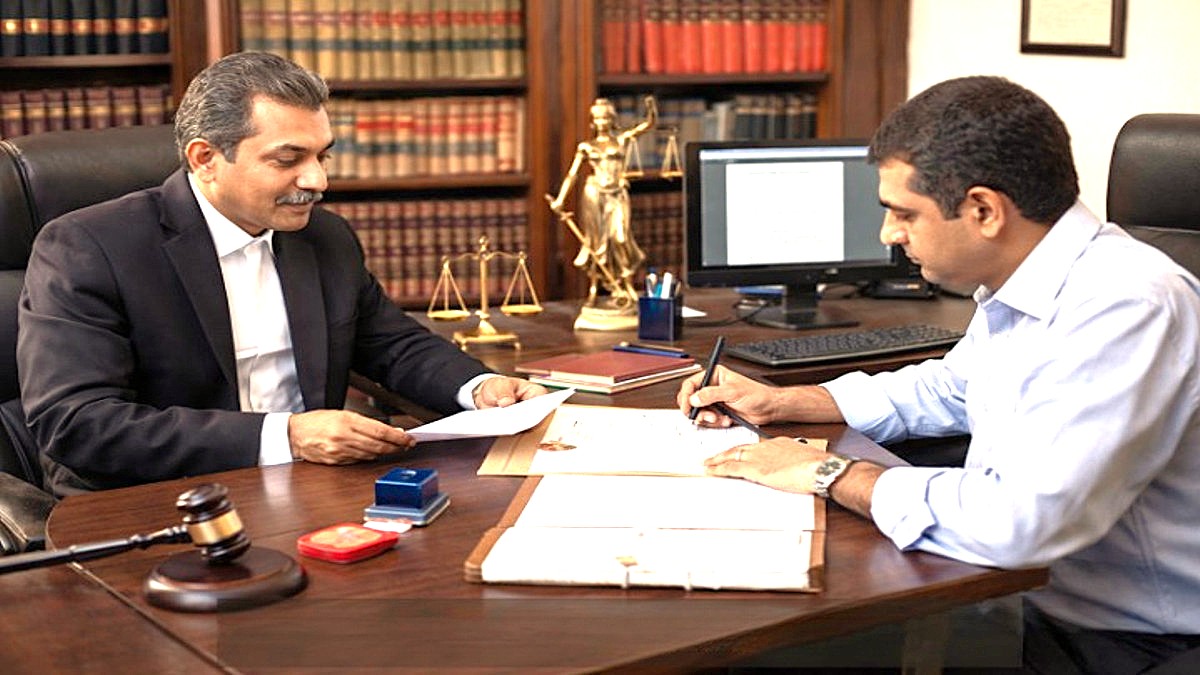
Property Registration Process in Mumbai – Step-by-Step Guide
So, you have paid the token money, signed the "MOU", and maybe even popped a bottle of champagne. But until the Sale Deed is registered at the Sub-Registrar Office (SRO), you own nothing. In Mumbai, property registration is not just a legal formality; it is a test of patience, logistics, and your ability to navigate the government machinery.
Unlike buying a shirt on Amazon, you cannot just click "Buy" and wait for the house to be delivered. You (the buyer), the seller, and two witnesses must physically go to a government office, stand in a queue, get your fingerprints scanned, and smile for a webcam that looks like it was made in 2005. This guide covers the real process—including the "unwritten" rules that no government website will tell you.
Step 1: The "Challan" (Paying the Government First)
Before you even step into the SRO, you must pay the Stamp Duty and Registration Fees. This is done via the GRAS (Government Receipt Accounting System) portal. You cannot pay cash at the counter.
The 2026 Math (Mumbai City & Suburbs):
- Stamp Duty: 5% of the Agreement Value (or Ready Reckoner Value, whichever is higher).
- Metro Cess: 1% extra (Total 6%). Yes, even if the Metro is 5km away from your house, you pay this.
- Registration Fee: 1% of the value, but capped at ₹30,000. (This is the only cheap part of Mumbai real estate).
- Women's Concession: If the flat is in a woman's name, you get a 1% rebate on Stamp Duty. But there is a catch: You cannot sell the flat for 15 years, or you have to pay it back.
Step 2: Data Entry (The "PDE" Hurdle)
Once the money is paid, you have to do the Public Data Entry (PDE) on the IGR Maharashtra website (iSarita). This is where you upload the draft of your Sale Deed and enter details of the buyer, seller, and property.
Reality Check: The website is slow, confusing, and often crashes. Plus, it requires Marathi Data Entry (Unicode). If you type a name wrong in Marathi, the SRO officer can reject your application on the final day. My advice: Pay the agent. It is cheaper than taking a second day off work.
Step 3: Slot Booking (The Appointment)
You must book a time slot. Mumbai SROs are packed.
- Morning Slot (10 AM - 1:00 PM): Best. The officers are fresh, and the servers usually work.
- Lunch Hour (1:00 PM - 2:00 PM): The "Bermuda Triangle". Nothing moves. Do not book a slot near 1:30 PM; you will just sit in the waiting room staring at the fan.
- Afternoon Slot (2:30 PM - 5:30 PM): Risky. By 4 PM, the "Server Down" excuses start piling up.
Step 4: The SRO Visit (Ground Reality)
On the big day, reach 15 minutes early. Be prepared for a government office experience—plastic chairs, no AC, and crowded waiting rooms. Mumbai has specific SROs based on your property's location (Ward).
- City (South Mumbai): Old Customs House (Fort). It is chaotic but relatively organized.
- Bandra/Khar: The Bandra SRO is notorious for crowds. Parking is a nightmare; take a cab.
- Andheri/Borivali: These offices handle the bulk of Mumbai's volume. Expect delays.
The "Witness" Rule
You need two witnesses. They cannot be random people. They must have a valid ID (PAN/Aadhaar) and ideally should know you.
Street Smart Tip: Don't rely on the seller to bring witnesses. Bring your own friends. If a witness forgets their Aadhaar card, the registration stops. No exceptions.
The "Scanning Charge" (The Unwritten Rule)
Officially, there are no extra charges. Unofficially, there is often a "Scanning & Handling" charge collected in cash by the clerks or peons. It usually ranges from ₹500 to ₹1,000. You can fight it and quote the law, but you might find your file moving to the bottom of the pile. In Mumbai, most people treat it as a "speed fee" and move on.
Step 5: The "Chain of Documents" (Critical for Resale)
If you are buying a resale flat, this is the most important paragraph in this article. The Registrar wants to see the History of Ownership.
If the building was built in 2005, and the flat has changed hands 3 times, you need to produce:
- The 2005 Agreement (Builder to First Buyer) - Original or Certified Copy.
- The 2010 Agreement (First Buyer to Second Buyer).
- The 2018 Agreement (Second Buyer to Seller).
If any of these "Links" are missing or were not properly stamped, the SRO can refuse your registration or demand "Deficit Stamp Duty" on the old agreements. This is a common nightmare in Mumbai. Ensure your lawyer checks the "Chain" before you pay the token.
Step 6: Adjudication (The Ghost of the Past)
Many old agreements in Mumbai (especially from the 1990s) were done on ₹100 stamp paper without paying the full 5%. If you are buying such a flat, you cannot just register a new deed. You must first apply for Adjudication to calculate the pending stamp duty on the old deed. This process takes 3-6 months. Do not sign a "Sale Deed" until the Adjudication is complete, or you will inherit the tax liability.
Step 7: Documents You Must Carry
Don't trust the digital world. Carry physical copies.
- Original Deed: Printed on one side of legal-size paper (Green ledger paper is preferred in some SROs, though white is legal).
- ID Proofs: Original PAN and Aadhaar for Buyer, Seller, and Witnesses.
- Payment Receipts: The GRAS challan copy.
- TDS Certificate (Form 26QB): If the property value is above ₹50 Lakhs, you must deduct 1% TDS and pay it to the IT department before registration. The SRO will ask for this proof.
- Society NOC: If it is a resale flat, the No Objection Certificate from the society is mandatory.
Step 8: Mortgage & Notice of Intimation
If you are taking a Home Loan, the bank representative will usually come with you (or give the DD to you). After the Sale Deed is registered, you must register a "Notice of Intimation" (NOI) to record the bank's lien on the property. This prevents the seller from selling the flat to someone else (a common scam in the 90s). The filing fee is ₹1,000, but agents charge ₹3,000.
Step 9: Post-Registration (The Real Work Begins)
Walking out of the SRO with a "Receipt" feels like victory, but you are only halfway there.
- Index II: This is the most critical document. It is a one-page summary of the registration. You usually get it instantly or within 24 hours online. Check every detail on it.
- Original Sale Deed: You will get the scanned original back in 1-2 days (sometimes same day).
- Property Card / 7/12 Extract: Registration does not automatically change the municipal records. You must take your Registered Deed and Index II to the City Survey Office (or Talathi) to update the Property Card (Mutation Entry). This takes another 3-6 months and often requires "follow-up".
The "Agent" Dilemma: Friend or Foe?
Should you hire a Registration Agent?
The DIY Route: Possible, but painful. You will struggle with the Marathi data entry portal, and the peons might ignore you.
The Agent Route: They charge ₹5,000 to ₹15,000.
Verdict: For a property worth Crores, don't save ₹10,000. Agents manage the "Scanning Charges", ensure the officers don't find silly faults in your papers, and get you the "Morning Slot". Hire one.
Final Word: The Registration Seal
Once the biometric scan is done and the photo is clicked, the officer signs the deed. You will get the "Index II" (a summary document) immediately, but the original registered document might take a few hours or a day to be scanned and returned.
Warning: Check the Index II details before you leave the office. If your name is spelled "Ramesh" instead of "Rajesh", correcting it later is a 6-month bureaucratic nightmare involving a "Correction Deed". Check it right there. Registration is the final seal of ownership; treat it with the seriousness of a heart surgery.
Frequently Asked Questions (FAQs)
Q1: Can I do the registration entirely online?
No. While payment (GRAS) and data entry (iSarita) are online, the final "Execution" requires physical presence for biometric verification. The government is testing "E-Registration" for first-sale flats from developers, but for resale, you must visit the SRO.
Q2: What if the server goes down?
This is Mumbai's favorite problem. If the server is down, you wait. Sometimes for 1 hour, sometimes for 5. Carry a power bank and a bottle of water. There is no manual backup.
Q3: Can I register on a weekend?
Some SROs in Mumbai (like the ones in Bandra and Pune) offer "Holiday Shifts" on select weekends for an extra fee. You need to check the IGR website for the specific list of offices open on Saturdays/Sundays.
Q4: Is the "Metro Cess" applicable everywhere?
It applies to Mumbai, Thane, Pune, and Nagpur. If your property falls within the municipal limits of these cities, you pay the extra 1%. It is unavoidable.
Q5: Can I pay Stamp Duty by Cheque?
No. It must be paid via GRAS (Online Netbanking/RTGS) or via an authorized Franking agency (rare now). Cheques are not accepted at the SRO. You must generate the Challan beforehand.
Disclaimer: Registration rules and stamp duty rates are subject to change by the Maharashtra Government. This guide is based on the process as of 2026. Please verify the latest circulars on the IGR Maharashtra website or consult a legal expert.